
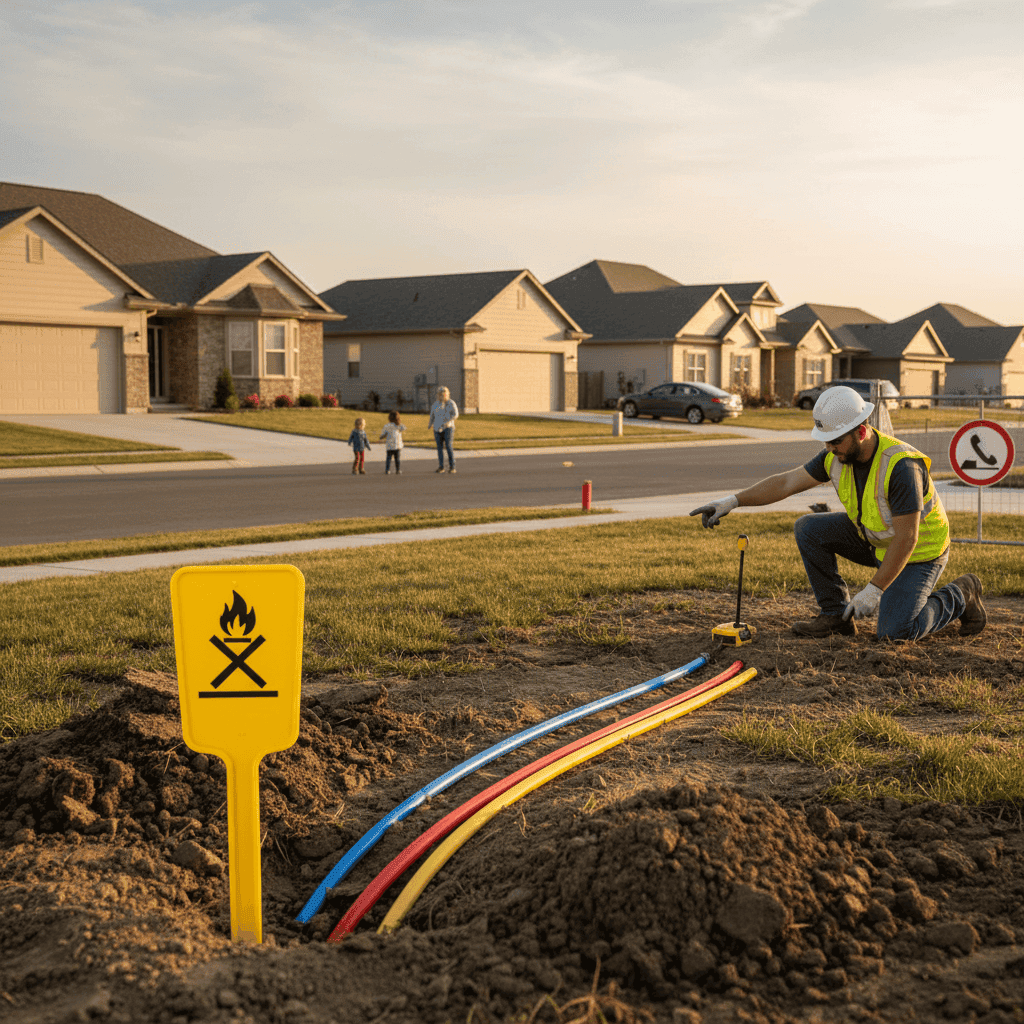
Gas line safety considerations should be part of every homeowner checklist. Natural gas is convenient and cost effective for heating, cooking, and fireplaces, but it carries risks when lines are damaged, aging, or improperly installed. Paying attention to common signs and following practical safety habits can prevent incidents and protect property and people.
This article walks through the key safety areas to watch, routine maintenance steps that matter, what to do in an emergency, and when to call a professional. You will find real world examples, quick tips for inspections, and clear guidance on repair options so you can make confident decisions about gas systems in your home.
Gas Line Safety Considerations for Homeowners
Understanding the basics helps homeowners spot trouble early. Natural gas is lighter than air and disperses upward through gaps. It has a distinctive sulfur or rotten egg odor that makes leaks easier to detect. However, odor can fade over time or be masked by other smells, so relying only on scent is risky. Regular visual checks and awareness of appliance performance add layers of protection.
Age and material matter. Older metal piping can corrode and joints can loosen. Flexible connectors can become brittle after years of use. Keep records of any gas system work and the types of materials used. When buying a home, request records of past inspections and any modifications made near the meter or inside the building.
Recognizing Common Gas Line Hazards
Early recognition reduces harm. Key hazards include corrosion, mechanical damage, insect or rodent chewing, and accidental strikes from landscaping or construction. Pay attention to these warning signs during routine checks.
- Visible damage Signs include rust, dents, gouges, or cracked flexible hose near appliances.
- Dead vegetation Patches of dead grass or plants near buried lines can indicate a leak that is harming roots.
- Hissing or bubbling sound Nearby while a gas appliance is off. Sounds may be faint so quiet the area when checking.
- Unusual appliance behavior Pilot lights that flicker or appliances that struggle to light may point to pressure or supply issues.
- Physical symptoms Headache, dizziness, nausea, or lightheadedness when spending time near potential leak sites.
Preventive Maintenance and Inspection Practices
Routine checks reduce risk and prolong system life. Schedule inspections annually with a qualified technician, and perform quick visual checks seasonally. Document any oddities so a professional can track developing issues.
Simple homeowner checks
- Look at visible piping for corrosion or loose fittings.
- Inspect appliance connectors and shutoff valves for wear.
- Listen for unusual sounds near meters and supply lines.
- Check carbon monoxide detectors and replace batteries as needed.
When to schedule a professional inspection
If you detect a hint of gas odor or mechanical damage call a technician right away. Also arrange inspections after any nearby excavation work, changes in landscaping, or if the house experienced ground movement from settling or storms. A professional can pressure test lines, check joints, and measure gas pressure to find issues that are not visible to the eye.
What to Do if You Smell Gas
React quickly and deliberately when you think you smell gas. Avoid turning switches on or off, do not light a match, and do not use phones inside the building. These sources of ignition could trigger an explosion if a leak is present.
- Open windows and doors to ventilate the area if it is safe to do so
- Leave the building immediately and move to a safe distance
- From outside, call the local gas utility or emergency services
- Do not go back inside until the utility or a qualified technician confirms the area is safe
Having an evacuation plan and a list of emergency contacts near the main entrance helps reduce panic and confusion. Post the gas company phone number and the location of the main shutoff valve where household members can find them quickly.
Professional Repair and When to Avoid DIY
Working with gas lines requires specific training, tools, and permits. Some tasks are appropriate for a homeowner such as tightening a loose pipe clamp or replacing a small flexible connector on an appliance, if local codes allow. Many other tasks should be left to licensed technicians. Cutting into a buried line or attempting soldered joints without certification increases the risk of leaks or code violations.
Licensed professionals have access to specialized equipment such as pressure gauges, combustion analyzers, and gas detectors to test repairs. They also carry insurance and will follow permit procedures so work meets local standards. For example, if you have a persistent low pressure problem that affects multiple appliances a technician can trace the issue to meter pressure, regulator malfunction, or a leak in the main line.
When you need reliable support for serious issues search for companies with good reviews, clear safety protocols, and transparent pricing. A quick way to reach qualified help in the McKinney area is to contact local providers for inspection and repair estimates and to compare their credentials and service guarantees. If you are looking for trusted options for gas line work consider contacting a local team that specializes in both residential repairs and routine maintenance for a fast response and accurate diagnosis. For immediate scheduling or to learn more about their response process check this page for gas line repair and service.
Tools and Techniques Used by Technicians
Understanding the tools technicians use helps when discussing work or evaluating estimates. Common tools include handheld gas detectors that sense low parts per million levels, manometers for pressure checks, and leak tracer fluid for locating tiny leaks on exposed fittings. For buried lines technicians may use ground probes and tracer gas to test sections without extensive digging.
Modern practices favor threaded mechanical joints, welded connections where allowed, and polyethylene piping with fusion joints for long runs. When an older installation with steel pipe shows corrosion a technician might recommend partial replacement to a corrosion resistant material. Technicians also follow strict testing protocols after repairs. Typical post repair tests include a pressure hold test at a standard psi and a combustion analysis to confirm appliances are burning fuel with correct air ratios.
Codes, Permits, and Safety Standards
Local building codes and utility company requirements govern many aspects of gas line installation and repair. Permits are often required for new lines, major repairs, or relocations. Inspections ensure the work was done to an acceptable standard and that safety measures like accessible shutoffs and proper venting are in place.
Before beginning major work check the local permit rules and whether the gas company must disconnect service for safety. A licensed contractor should handle permit filings and scheduling inspections. This reduces the chance of failing a final inspection and facing costly rework.
Long Term Planning and Upgrades
Long term planning can save money and reduce safety risks. When remodeling kitchens or adding gas appliances plan for appropriate piping sizes and shutoffs. Upgrading to newer flexible connectors and corrosion resistant piping in older homes protects against leaks. If you plan to switch fuel types or add high demand equipment like a gas range or heater consult a technician about required supply capacity.
Also consider adding automatic shutoff valves that activate when sensors detect a large pressure drop. These systems are useful in areas prone to seismic activity or where the risk of line strikes is higher. While these devices add cost they can limit gas flow quickly and reduce the scale of a leak until technicians arrive.
Record keeping is often overlooked. Maintain a log of inspections, repairs, and dates when parts like flexible connectors were replaced. This information speeds troubleshooting and helps technicians identify patterns such as recurring leaks at the same joint.
Gas line safety considerations are an ongoing commitment. Regular checks, sensible upgrades, and timely professional intervention keep systems working well and reduce hazards. If something feels off call a technician rather than waiting. Small issues can become serious quickly and professional attention often prevents greater expense and risk.
In closing, staying informed and proactive about gas line safety protects your home and your family. Regular visual checks, attention to unusual smells or appliance behavior, and scheduled professional inspections create layers of protection. Keep emergency contacts handy and know where your main shutoff valve is located. For repairs that go beyond simple visible maintenance rely on licensed technicians who bring the proper tools and testing methods. If you want a technician to evaluate a concern or provide a repair estimate contact a local service that handles inspection and fixes promptly. Taking action now can prevent serious incidents later and keep your gas system operating reliably.